SPEED
FACTS
FIND OUT MORE
SPEED
LIMITS
FIND OUT MORE


SPEED
STATISTICS
FIND OUT MORE
Speed-related crashes remain a major road safety concern across the Wairarapa region, which includes Masterton, Carterton, and South Wairarapa Districts. Despite fluctuations in traffic and changing travel patterns, the risk and severity of speed-related crashes have remained high.
The simple truth about speeding is: the faster you go, the longer it takes to stop and, if you crash, the harder the impact. Even small increases in speed could have severe consequences. If a pedestrian steps out into the path of an oncoming vehicle which is speeding the difference could be a matter of life or death.
In an emergency, the average driver takes about 1.5 seconds to react. Stopping distances increase exponentially the faster you go.

The stopping distances on the infograph are calculated based on the following assumptions:
The stopping distances in the graph are generic and may be influenced by a number of driver, vehicle and environmental factors:

Many drivers aren’t aware that they can be travelling at the speed limit and still be driving unsafely.
The speed limit is the maximum legal speed that you can travel at on a road in perfect conditions.
However, road conditions are rarely perfect. As a safe driver, you’ll have to look out for changes in traffic, road and weather conditions, and reduce your speed accordingly.
Adjust your speed to the conditions.
Road conditions you should reduce your speed for include:
Weather conditions you should reduce your speed for include:
A small change in speed can make a big difference to the outcome of a crash.
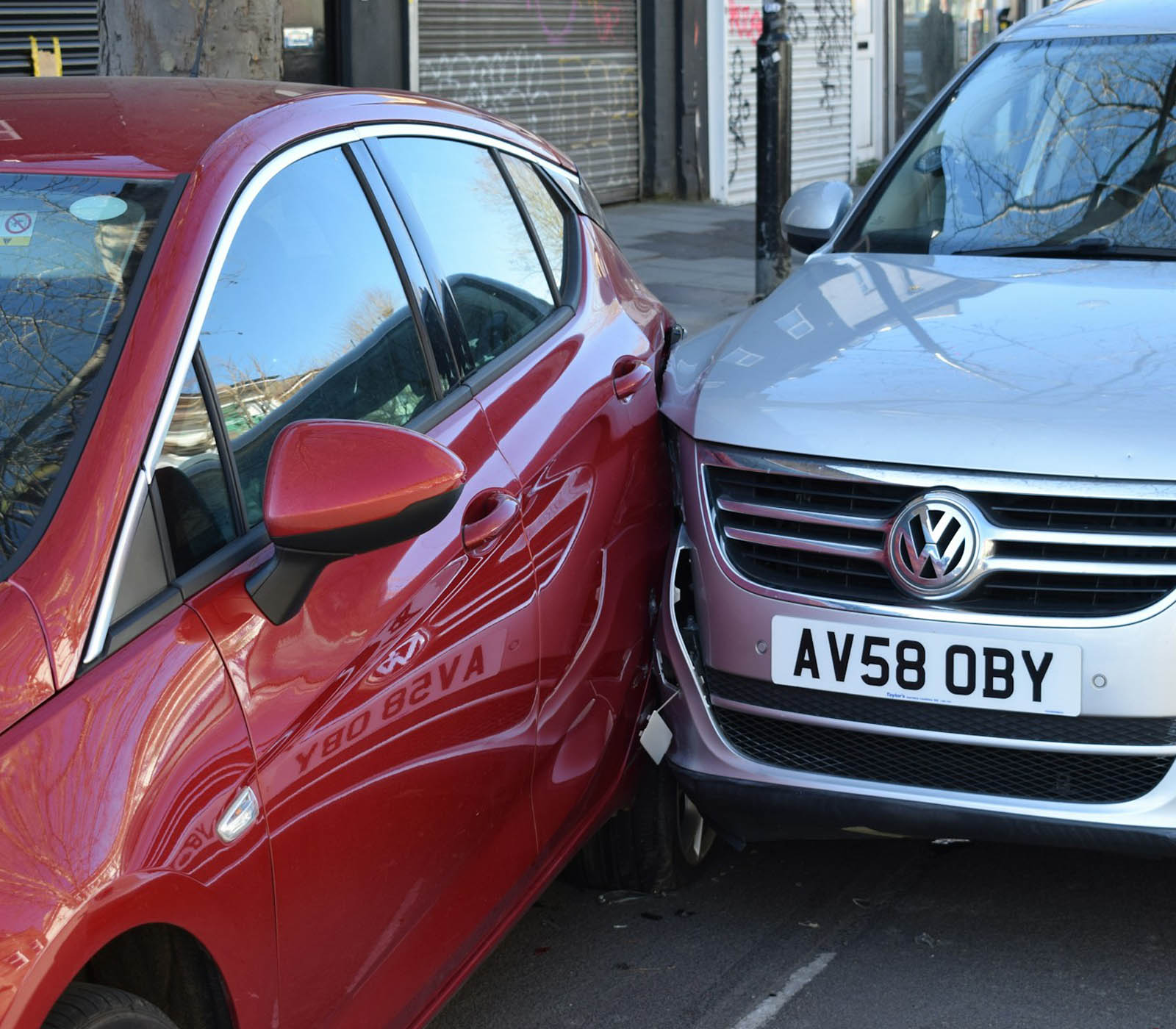
When a vehicle crashes, it undergoes a rapid change of speed. However, the occupants keep moving at the vehicle’s previous speed until they are stopped – either by hitting an object or by being restrained by a safety belt or airbag.
Human bodies are not designed to be hurled against objects at speed, and the faster the speed, the more severe the injuries.
The speeds on a road impact how safe other road users feel to walk, bike, or travel with their children on that same road.
If a pedestrian is hit by a vehicle the severity of their injuries is related to the impact speed.
The international accepted speed to greatly reduce the chances of a pedestrian being killed or seriously injured is 30km/h.
The probability of a pedestrian being killed rises as impact speed increases, it approximately doubles between 30km/h and 40km/h, and doubles again from 40km/h to 50km/h. The risk to vulnerable pedestrians, such as the elderly and young children, is even higher.
